Introduced new quality control standards in production
23 April 2026
Author: Anton Prokopovich
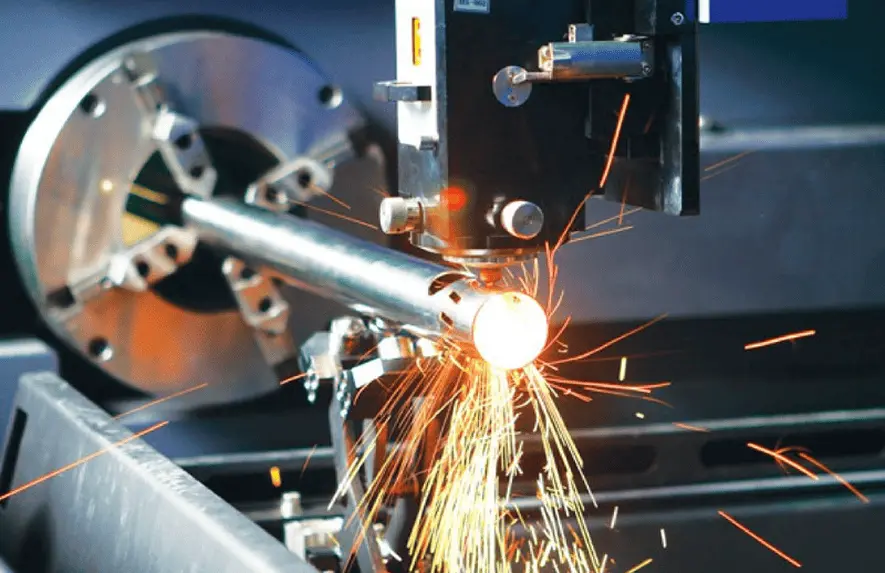
Laser cutting of metal is a high-precision technology that allows you to produce parts of complex geometry with minimal tolerances. However, the quality of the final product depends not only on the equipment but also on a properly prepared drawing.
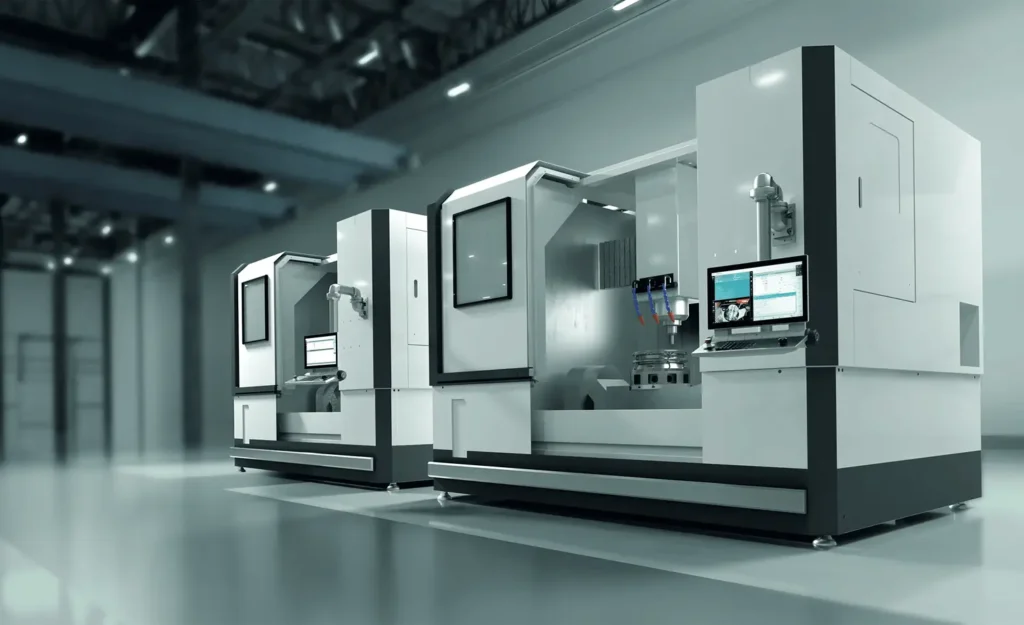
In this article, we’ll look at how to prepare a file for laser cutting to avoid mistakes, reduce production time, and get an accurate result.
In this article, we’ll look at how to prepare a file for laser cutting to avoid mistakes, reduce production time, and get an accurate result.
Circuits must be closed
One of the most common errors is open lines.
Check before sending the file:
- whether there are any gaps in the circuits;
- whether all lines are connected in a single closed loop;
- whether there are any duplicate lines.
An open contour can lead to incorrect cutting or additional rework time.
Consider the thickness of the metal
The thickness of the material affects the:
- type of laser processing;
- cutting speed;
- is the permissible minimum radius;
- cutting width (kerf).
For example, small holes and complex shapes are possible when cutting 1 mm thick steel. With a thickness of 10 mm, avoid cutting radii that are too small.
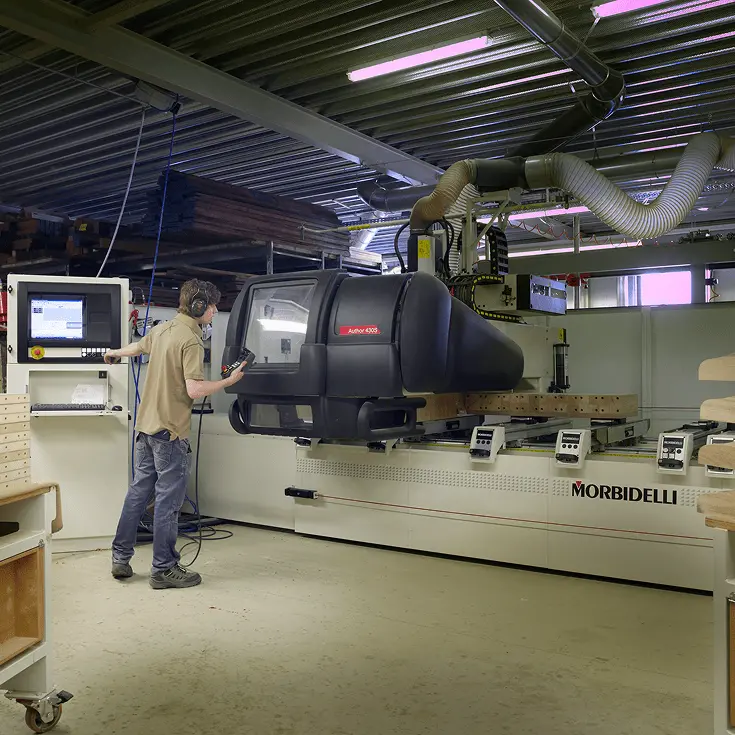
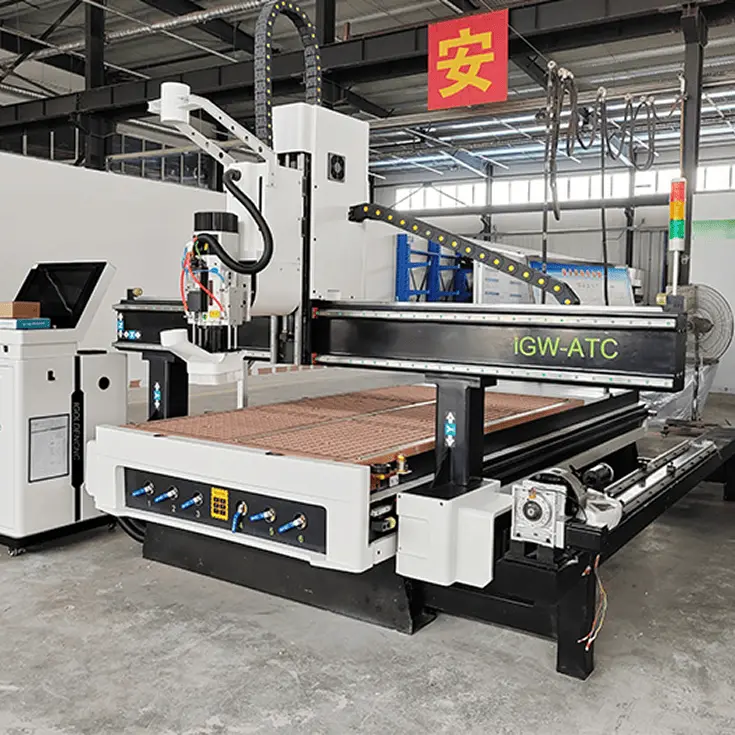
In this article, we’ll look at how to prepare a file for laser cutting to avoid mistakes, reduce production time, and get an accurate result.
In this article, we’ll look at how to prepare a file for laser cutting to avoid mistakes, reduce production time, and get an accurate result.
 Production